

I bring this subject up because I’ve done some stalking in the past—and honestly, I still do it today. Not always with a tag in my pocket or a weapon in hand, but sometimes simply as a form of meditation. (Yeah, I know… I’m a hippie.)
Over the years, I’ve talked with a lot of folks who hunt. When I ask them if they do any stalking while they’re in their “secret spot,” most say, not really. That said, a few hunters I’ve spent time with do what I’d call a “soft stalking” approach.
In other words, we’re not fully locked into noise discipline, we’re not carefully mapping every approach, and we’re definitely not high-crawling to a ridgeline. It’s somewhere between intention and convenience—moving with awareness, but not full commitment.
And that raises the question: Is stalking worth it?
The Heart of the Hunt
If you want to understand stalking and how it fits into still-hunting, consider this excerpt from Stalking & Still-Hunting: The Ground Hunter’s Bible by Fred Asbell (with a few of my own thoughts layered in):
“I sometimes fear that we have lost track of the concept of pursuit; it seems that we have become so preoccupied with success that we have rushed right by the very core, the very heart of hunting.”
— Fred Asbell
That statement hits at the essence of ground hunting: stalking, still-hunting, and the nearly lost art of crafting a makeshift blind using nothing but what Mother Nature provides.
One of the most primal instincts we humans have slowly forgotten is stalking. In the early days of mankind, hunting wasn’t recreation—it was survival. Providing for the tribe required patience, awareness, and the ability to close distance silently. Stalking wasn’t a tactic; it was a way of life.
There’s no greater thrill—and no form of hunting more pure—than playing an animal up close and in your face. No gadgets. No shortcuts. Just you, the wind, the terrain, and the animal.
Comfort vs. Commitment
Still, many modern hunters feel more comfortable playing the ambush game from a tree stand. And to be clear, tree-stand hunting works. It’s effective, efficient, and for many of us “mortal hunters,” practical.
The learning curve for true ground hunting—especially stalking—can feel like it sits somewhere between too much trouble and downright impossible, particularly for hunters who aren’t as fit or mobile as they once were. There’s absolutely a time and place for both setups and ground hunting.
So, is it worth knowing how to ground hunt?
Yes. Because stalking comes with the territory.

Do you need to be like the legendary USMC sniper Carlos Hathcock—who crawled roughly 2,000 yards over three days across an open field to eliminate an NVA general during the Vietnam War?
Absolutely not.
But we can learn from those who came before us—from our forefathers and from masters of patience—about movement, awareness, and intent.
Still-Hunting vs. Stalking (They’re Not the Same Thing)
Depending on the scenario, still-hunting will often be the go-to method. Contrary to popular belief among inexperienced hunters, stalking does not literally mean moving silently at all times. Silence is the goal—but reality gets in the way.
Dry leaves crunch. Loose ground shifts. Twigs snap.
When that happens, experienced hunters don’t panic—they adapt. They improvise. Sometimes that means mimicking the sound of another animal moving naturally through the woods. After all, the forest is rarely silent.
Stalking has many forms:
- Moving slowly through timber
- Working along trails and edges
- Traversing hillsides and mountain slopes
All require patience, discipline, and—most importantly—wind awareness. The animal must be relaxed, unaware, and unalarmed.
Rule #1 of stalking:
You don’t hunt the animal—you hunt the wind.
- Always assume your scent cone is larger than you think
- Wind rarely travels in a straight line; terrain bends it
- Thermals matter:
- Morning: air rises uphill
- Evening: air sinks downhill
Practical tip:
If the wind feels “iffy,” it probably is. When in doubt, stop. Still-hunting beats sloppy stalking every time.


Key Methods Defined
Glassing
Spotting game from a distance using binoculars or spotting scopes, usually from a vantage point. Glassing often involves long periods of stillness. Once game is located, stalking begins.
Stalking
The careful, deliberate approach toward game that has already been spotted. Ideally, you move diagonally rather than straight at the animal—this presents a less threatening profile if you’re seen.
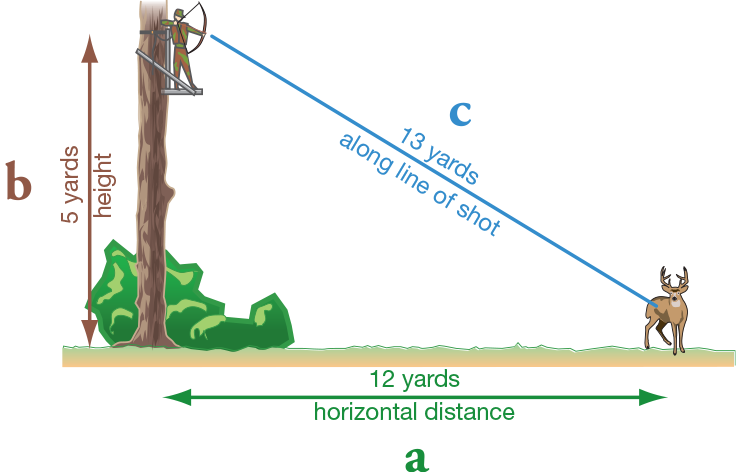
Why diagonal works:
- Appears less predatory if the animal catches movement
- Allows constant course correction for wind
- Keeps terrain features between you and the animal longer
Mental cue:
“I’m not going to the animal. I’m passing near it.”
Still-Hunting
Slow, methodical movement from cover to cover. You take a few deliberate steps, then stop—sometimes for minutes—scanning everything. The goal is to spot the animal before it spots you. Wind, sunlight, terrain, and weather all matter.
Noise Discipline (Reality vs. Myth) Absolute silence is a myth—controlled noise is the skill.


Movement rhythm:
- Take 2–3 slow steps
- Stop completely
- Scan for 30 seconds to 3 minutes
- Listen longer than you look
When noise happens:
- Pause immediately
- Let the woods “reset”
- Resume only when birds and squirrels resume normal activity
Field truth:
Animals expect noise. They don’t expect rhythmic human movement.
Advantages
- Often the most effective methods for hunting big game, especially in the Western U.S., Canada, and Alaska
- Allows hunters to locate active sign such as wallows, scrapes, rubs, tracks, and travel corridors
- Encourages deeper engagement with the land
- Offers unmatched opportunities to experience wild landscapes and animal behavior
Disadvantages
- Requires a high level of skill—and sometimes luck
- Movement increases the chance of detection
- Demands constant awareness to avoid being mistaken for game by other hunters
Ending Thoughts
Whether stalking is “worth it” depends on what you’re hunting—and how you’re hunting it.
For bow hunting, stalking is almost always required to some degree. For rifle hunting during migration corridors, you may be better off setting up, glassing, and letting the animals come to you—provided you’re downwind.
But beyond filling a tag, stalking offers something else: presence. It forces you to slow down, to read the land, to listen, and to move with intention.
And sometimes, even without a hunt in mind, that alone makes it worth it.
Stalking as Meditation for The “Hippie” in you
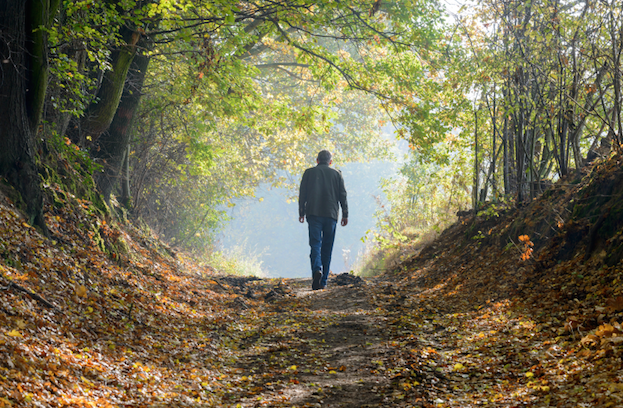
This is where stalking stops being about killing and starts being about presence.
- Breath syncs with movement
- Time stretches
- Small details become obvious
- Ego fades; awareness sharpens
Practice without a weapon:
- Move unseen for 100 yards
- Avoid snapping a single twig
- Let animals notice nothing
Unexpected benefit:
You’ll become a better hunter—even when you go back to sitting still.