
In this modern day of uncertainty, the right gear you carry may save your life.
Here are our top thoughts for your Every Day Carry (EDC) needs.

Everyday carry, often called EDC, is one of those ideas that sounds overly tactical at first, but in reality, it’s just about being prepared for real life. It’s not about stuffing your pockets with gadgets you’ll never use. It’s about carrying a few thoughtful, practical items that make your day smoother, safer, and a little more self-reliant.
If you live a hands-on lifestyle, whether that’s working outdoors, running a homestead, managing a small business, or just juggling a busy household, having the right everyday carry setup can save you time, frustration, and even a few emergencies. Better be prepared than not and wish you had!
Let’s break it down into a practical, realistic approach to EDC, no fluff, no overkill, just what actually earns its place in your pocket or bag.
What Is EDC, Really?
At its core, everyday carry is simply the collection of items you keep on you consistently. These are tools and essentials you reach for daily or that are there when you need them unexpectedly.
Think of it this way: if you’ve ever said,
“I wish I had something to fix this right now,”
That’s exactly where EDC shines.
The goal isn’t to carry everything—it’s to carry the only right things.
The Core EDC Categories
A practical EDC setup usually falls into a few key categories:
- Essentials (wallet, keys, phone)
- Utility tools
- Personal safety
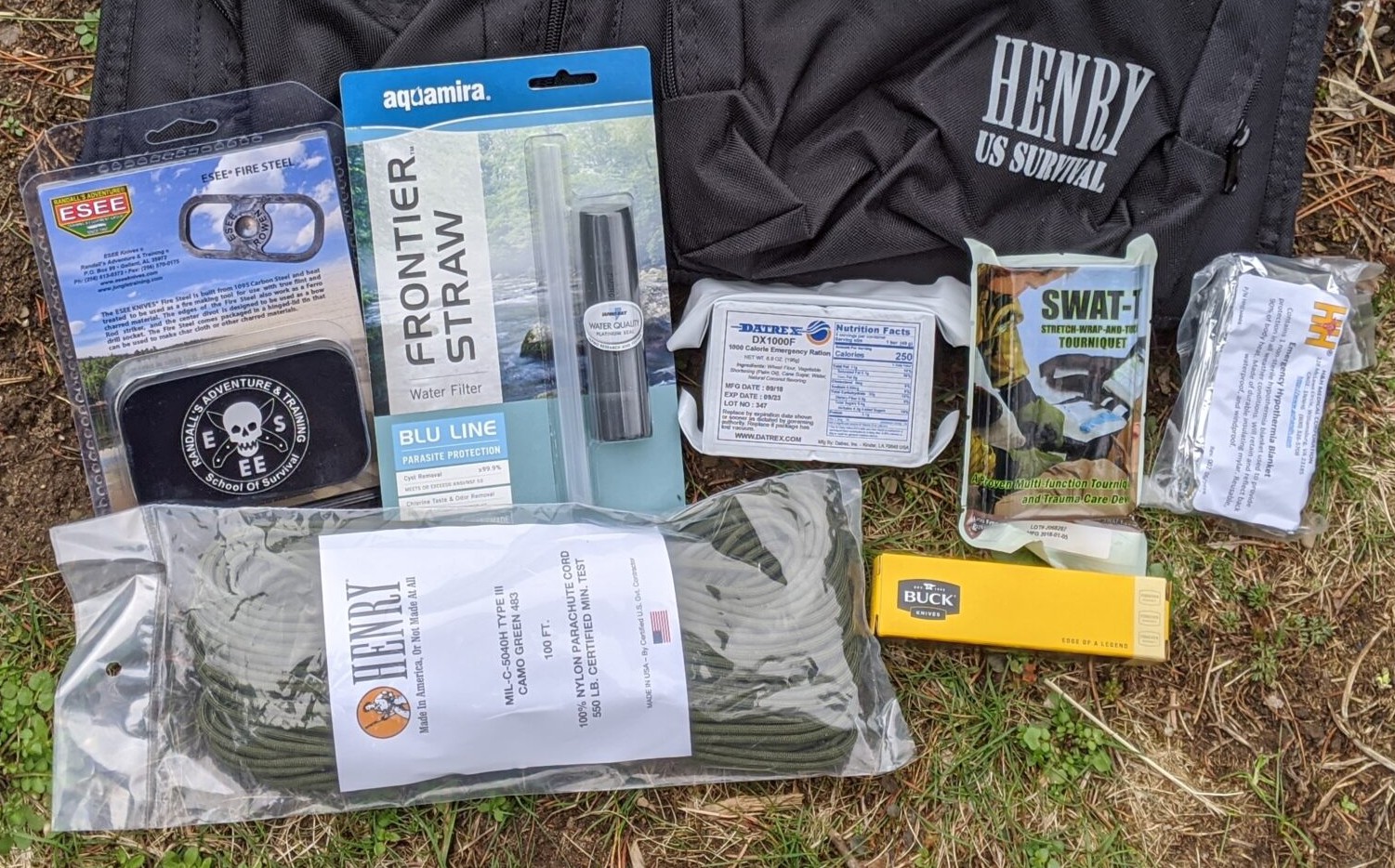
- Preparedness items
- Lifestyle-specific additions
Let’s walk through each one and what actually makes sense to carry.
1. The Absolute Essentials
These are the non-negotiables, the things most of us already carry without thinking much about.
Wallet
Keep it slim and functional. You don’t need every receipt from the last six months. Focus on:
- ID
- Debit/credit cards
- A small amount of cash
Cash still matters more than people think, especially in rural areas, markets, or outages.
Keys
This might seem simple, but your keychain can become a mini EDC hub if you’re intentional about it.
Consider adding:
- A small flashlight
- A compact tool
- A simple key organizer (key ring of course!) to reduce bulk
Phone
Your phone is arguably your most powerful tool. It handles communication, navigation, note taking, photos, and even emergency situations. It has a flashlight on it and you can use the camera option as an electronic monocular of sorts. That screen can magnify a distant image better than many lower end binoculars! On the plus side is you can take pictures and videos for future use.
But don’t rely on it for everything though, that’s where the rest of your EDC comes in.
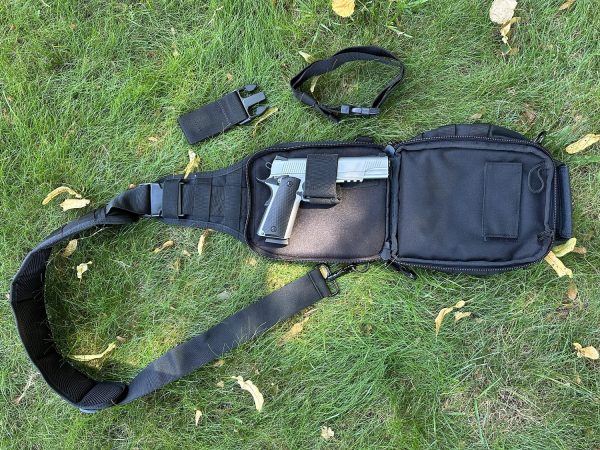
Concealed Carry Handgun
In this day and age of uncertainty and unsavory characters around every corner, better be armed and know how to use it! While we could dive head long into the article as “this gun is better than this one for your personal carry” it is an individual’s choice ultimately what to carry on a daily basis.
2. A Good Knife (Your most useful tool other than your brain!)
If you only add one intentional tool to your EDC, make it a knife.
And no, it doesn’t have to be big or intimidating. A very small, sharp folding knife is one of the most practical tools you can carry.
Look for this in your carry knife:
- Comfortable in your hand
- Easy to open
- Durable but not bulky
- Very sharp with an easy to hone blade
Once you start carrying one, if you haven’t been already, you’ll wonder how you ever went without it.
3. Flashlight (Yes, even in your pocket)
This is one of the most underrated EDC items.
Your phone flashlight works in a pinch, but a dedicated flashlight is brighter, more reliable, and doesn’t drain your battery.
A simple, pocket-sized light is more than enough.
4. Multi-Tool or Small Tool Kit
If your days involve fixing, building, or adjusting things (as often happens with our active lifestyles), a multi-tool earns its place quickly.
Typical features include:
- Pliers
- Screwdrivers
- Bottle opener
- Small blade
- Scissors
You don’t need a heavy-duty version unless you’re doing serious mechanical work daily. A compact one that fits easily in your pocket or bag is ideal.
This is the kind of tool that turns “I’ll deal with that later” into “fixed it right now.”
5. Pen and Notebook
This might sound old-fashioned, but it’s one of the most practical additions you can make.
You’ll use it for:
- Quick notes and lists
- Tracking ideas
- Writing down measurements
- Leaving messages
- Planning tasks
In an emergency or in a busy day-to-day life, ideas come fast and also the need to leave messages, and they disappear just as quickly if you don’t capture them. If the power grid is down, messaging someone is done on paper with a pen, not an email or text message.
A small notebook tucked into your pocket or bag is simple, reliable, and never runs out of battery.
6. Personal Safety Items
Safety looks different for everyone, depending on your environment and comfort level. The key is to carry something you feel confident using.
Options include:
- Pepper spray
- Personal alarm
- Whistle
- First aid basics
- Firearm
Even a small first aid kit can go a long way:
- Bandages
- Antiseptic wipes
- Pain relief
If you spend time outdoors, working with animals, or handling tools, this becomes even more important.
7. Everyday Preparedness
These are the “just in case” items that you don’t use daily, but when you need them, you really need them.
Lighter or Fire Starter
Useful for more than you’d think, especially outdoors.
Phone Charger or Battery Pack
Dead phone means no communication, no navigation, no backup.
Hand Sanitizer or Wipes
Particularly helpful when you’re out working, gardening, or handling animals.
Lip Balm and Basic Comfort Items
Small, but they make a big difference over the course of a long day.
8. Lifestyle-Specific EDC (This Is Where It Gets Personal)
This is the most important part—your EDC should reflect your life.
For a homestead or farm lifestyle, you might consider:
- Small pruning snips
- Twine or zip ties
- Gloves
- A feed scoop clip or mini carabiner
If you’re running a small business or creating products:
- Measuring tape
- Digital caliper
- Sharpie marker
- Small packaging tools
You get the idea. The best EDC setups aren’t copied from someone else, they’re built around your daily rhythm. Everyone’s needs are certainly different where you are. What you do and how knowledgeable you are about your own daily and emergency preparations is what needs to be remembered.
9. Keep It Practical, Not Heavy
One of the biggest mistakes people make with EDC is overloading.
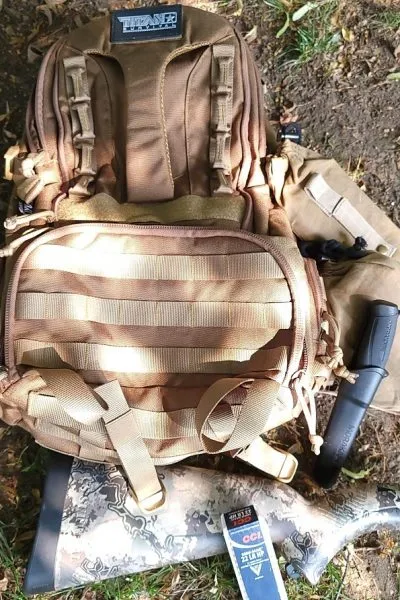
If it’s uncomfortable, bulky, or annoying, you won’t carry it consistently. And if you don’t carry it, it’s useless. A heavy bug out bag left at home is not going to help you much.
A good rule of thumb:
- If you haven’t used it in a month, reconsider it
- If it solves a real problem quickly, keep it
- If it adds weight but no value, remove it
Think of your EDC like a well-organized tool drawer, not a junk drawer.

10. Pocket vs Bag Setup
Not everything needs to live in your pockets. While many do, a small bag can help out tremendously for your search of the perfect EDC carry.
A balanced approach works best:
Pocket Carry
- Phone
- Wallet
- Keys
- Knife
- Small flashlight
- Pocket Pistol, perhaps a .380 ACP. Ruger LCP or Keltec P380?
Bag or Purse Carry
- Multi-tool
- Notebook
- First aid
- Charger
- Extra items specific to your day
- Full sized or sub-compact handgun.
If you’re heading out for a longer day, events, or errands, your bag becomes your extended EDC.
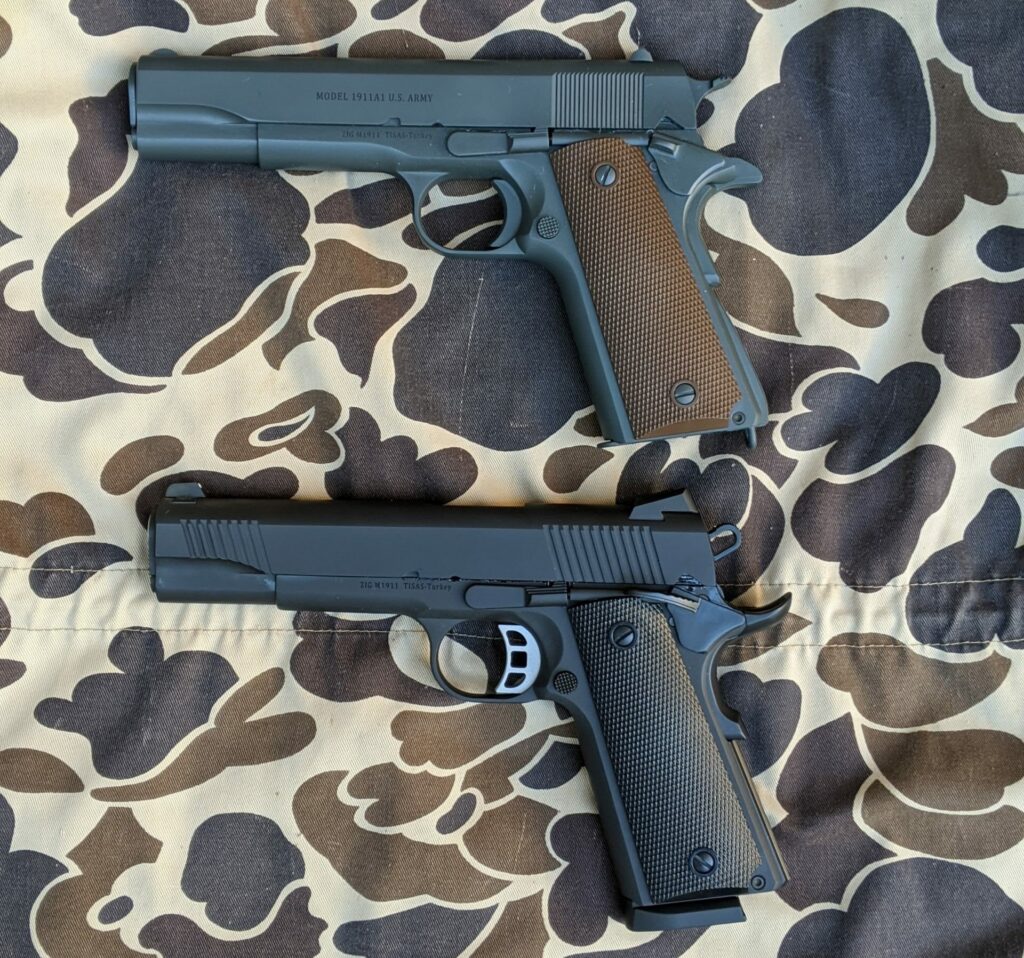
Well the topic of Every Day Carry cannot be ended without a serious discussion on concealed carry. The author feels while knives are great tools for most everything, personal defense might not be one of them. To fully utilize the defensive chances of a good outcome, you must be within touching distance of the aggressor. Already that is a bad idea. Without solid knife defense training, your knife might become the aggressor’s knife quickly…
Pepper spray opens up the distance between you and your attacker. It also is a lot easier to use and in a court of law a whole lot better in the eyes of any jury. On a windy day though or if your can is empty, well, you get the picture.
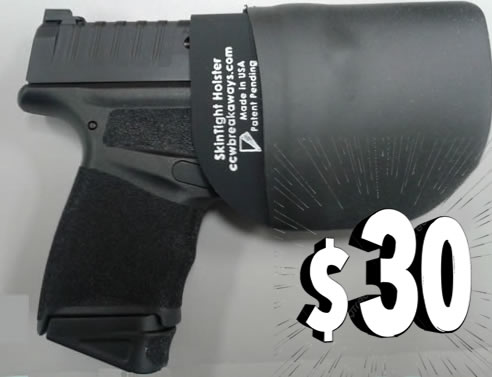
For real defense a handgun is the way to go for distance and striking power. A full sized handgun in a properly concealable holster is the solid way to go if possible. Many carriers would have that problem though for their EDC carry. This is where subcompact and compact handguns come into play. Handguns like the Kahr PM9 are small enough to fit in a pocket holster and into a pair of jeans. Even smaller is the previously mentioned Ruger LCP and Keltec P380 handguns. In a pocket holster they ride unobtrusively all day long with no issues.
Your EDC choices must fit your needs overall and choose wisely. This is an ever changing thing as you will replace items you don’t use and add others. Your EDC will certainly get better the longer you carry and improve upon it.